
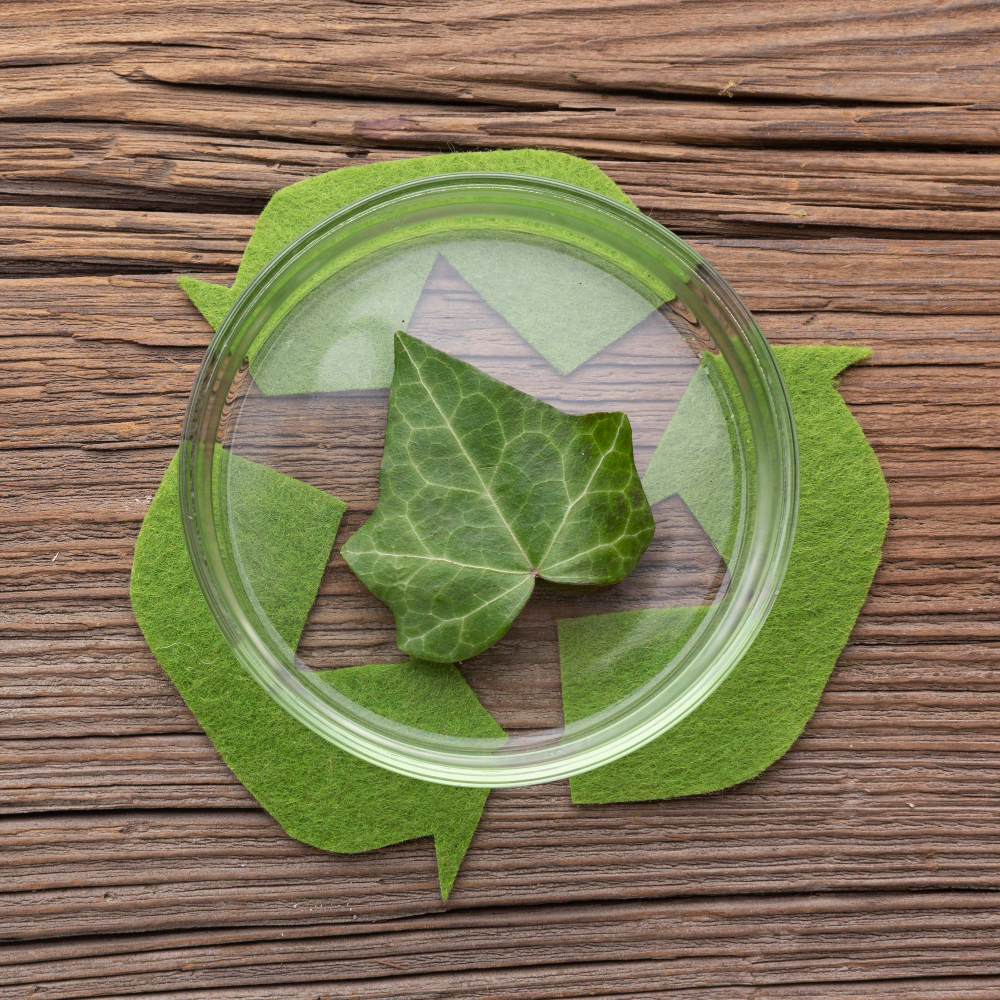
L’circular economy represents a promising alternative to the traditional linear economic model based on “make, use, dispose”. In this regenerative system, the key concept is to maximize the efficient use of sources while minimizing its production waste. Products and materials are kept in the economy for as long as possible and thus extract their maximum value. This not only reduces the impact on the environment, but also creates new economic and innovation opportunities.
Definition and basic principles of the circular economy
The circular economy is based on three key principles: preserving and enhancing natural capital by managing finite stocks and balancing renewable flows; optimising resources by circulating products, components and materials with the highest utility; and finally, the idea of designing for the future, anticipating and designing solutions for recovery and recycling models. Visit betfirst.dhnet.be for current examples of the implementation of this approach.
Immediate environmental benefits
One of the main strengths of thecircular economy is the ability to significantly reduce the negative impact on the environment. By replacing the consumption of raw materials with recycling and reuse, we see a significant reduction in pollution and the preservation of ecosystems. This system also helps to reduce the amount waste generated, optimizing its use goods and services that already exist without over-reliance on natural resources.
Economic and social consequences
For companies, adopting a circular model can lead to lower costs through better management of business processes sources and waste. It also opens the door to new markets and disciplines specializing in recycling, repair and remanufacturing. In addition, consumers benefit directly from access to products and products Services often more innovative and personal, thus responding more effectively to their specific needs.
Practical examples in various sectors
- Construction sector : Use of recovered materials for the creation of new buildings or renovation, thereby reducing the demand for new raw materials and the amount of construction waste.
- Manufacturing industry : Implementation of return systems for used items to dismantle them and recover usable parts for the manufacture of new products.
- Agriculture : Application of permaculture and agroecological concepts that integrate circularity into soil and food production management.
The challenges that need to be addressed
Despite its many benefits, the transition to a circular economy comes with several challenges. The most notable is the necessary adaptation of the existing infrastructure, both at industrial and legislative level. Moreover, it is imperative to raise awareness and train the stakeholders involved to ensure a broad and effective implementation of the policy fashion model circular. This paradigm shift also requires greater collaboration between different economic sectors and governments to harmonize efforts and maximize efficiency.
Role of technology and innovation
Technological advances play a key role in developing solutions for the circular economy. Innovation in areas such as artificial intelligence, robotics and the Internet of Things opens up new possibilities for tracking, managing and optimising data flows. sourcesThese technologies also facilitate the traceability of materials and offer innovative solutions to extend the life of products.
International perspective and global collaborations
The circular economy approach is gaining popularity worldwide, with many initiatives being taken by both developed and developing countries. A striking example is the international alliances that have been formed to standardize recycling measures and promote best practices on all continents. This international dimension is essential to achieve a significant ecological impact, because the chains of production and modern distribution systems are inextricably linked across national borders.