
The Eastern European country promises to break new records in the number of tourists again this summer. According to the government, this large influx is mainly due to the introduction of the euro. But for the locals, prices have risen, explains this French woman from Croatia.
Published
Reading time: 2 minutes
:quality(50)/2024/05/17/standard-compressed-hr-sibenik-kathedrale-01-1-6647ce0d692f2778017959.jpg)
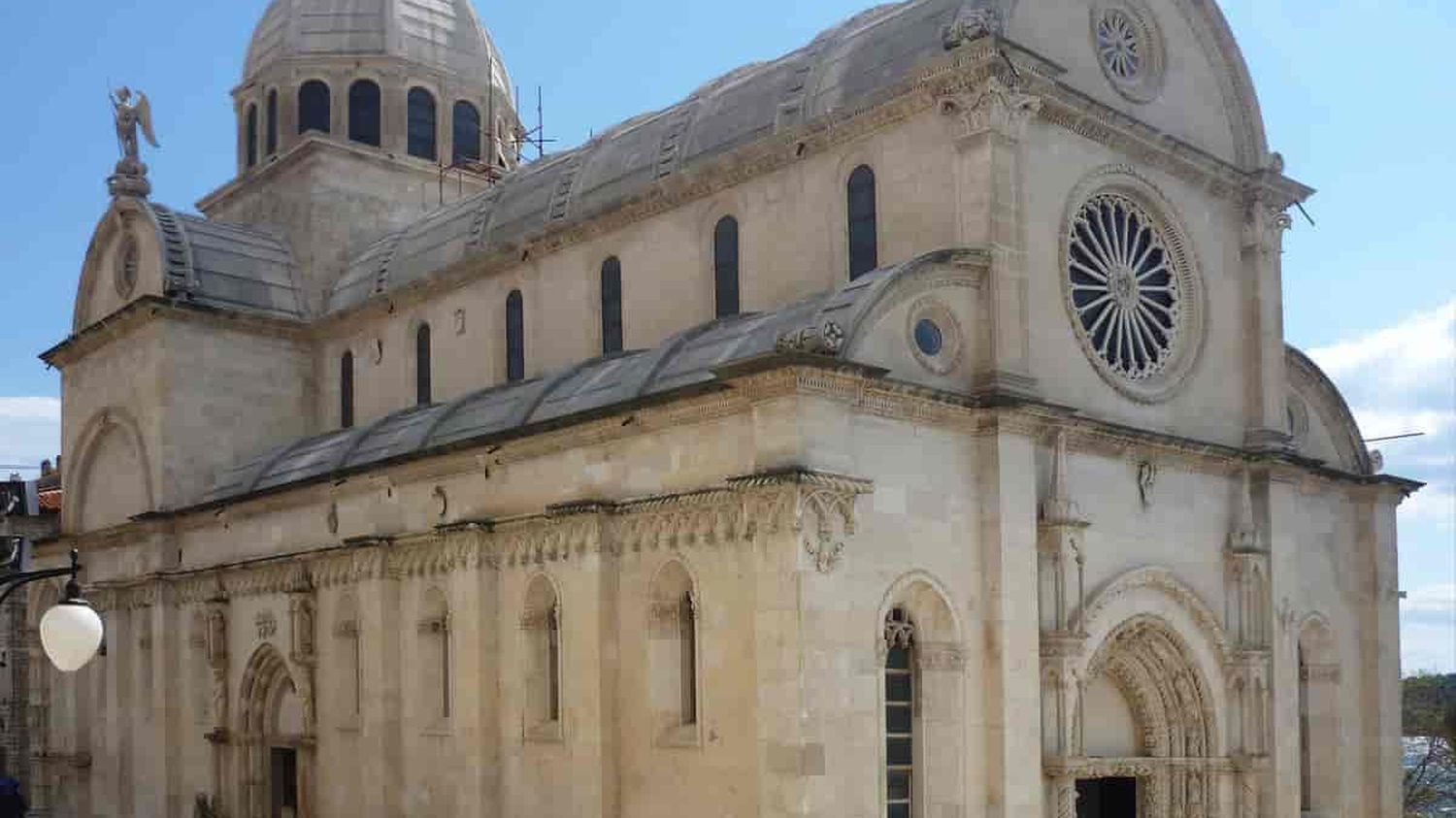
Émilie Triolo has lived in Šibenik, on the Adriatic coast, for about twenty years. The Frenchwoman, born in Savoie, after a career in marketing and communications, now advises French people who want to settle in Croatia as tourism professionals through the purchase of campsites or nautical bases through an internet platform. It also describes the mistakes you should avoid.
:quality(50)/2024/05/17/whatsapp-image-2024-04-30-at-14-24-36-6647d0600ddef802684495.jpeg)
“Croats are truly aware of the jewel they hold in their hands, she notes. Croatia really is a little gem of beauty, I think. And it is true that we Westerners cannot come and say to ourselves: we are going to buy this, we are going to buy that, it will not be expensive. They indeed defend what they have in their hands, and yet often at a quite expensive price!”
:quality(50)/2024/05/17/20231007-101012-6647d249b31cb044691713.jpg)
Tourism is an essential sector for the Croatian economy. It represents one-fifth of the country’s GDP.
:quality(50)/2024/05/18/20231007-100815-6647d5c94974a882235298.jpg)
“There are thousands of kilometers of coastline, testifies the Frenchwoman, with the Adriatic Sea. Croatia still has more than 1,200 islands and islets. It is a real little paradise that is starting to make itself known and is being talked about more and more. We can have fun on the islands, without going to the ends of the earth, since Croatia is now the CETA zone, it is Europe and the Euro since the 1st century.uh January 2023.”
:quality(50)/2024/05/17/whatsapp-image-2024-04-30-at-14-18-20-6647cd3ed7cbf061607023.jpeg)
According to the latest figures, more than 9 million travelers visited the small Balkan country last year, which represents an increase of 12% year on year. Authorities in Zagreb attribute this record increase to two factors: the absence of borders now, and the introduction of the euro almost a year and a half ago. The transition to the single currency has made life easier for travelers, who no longer have to search for exchange offices or check exchange rates.
:quality(50)/2024/05/18/20231007-101323-6647d6607f507664281879.jpg)
“It encourages the arrival of French tourists, recognizes Émilie Triolo, Since it was the kuna before, it could complicate those who were a little cold. We really feel this openness and this desire of the French to go and discover Croatia, its islands and the rest of its beauties, which can also be cultural, architectural and gastronomic.”
:quality(50)/2024/05/17/whatsapp-image-2024-04-30-at-14-24-37-6647d13a77996804874203.jpeg)
On the other hand, for the Croats, this change led to a period of adjustment to the new prices, which have risen significantly since the euro.
‘There are many sectors, notes the Frenchwoman, where prices have risen. Real estate is part of this, as well as tourist accommodation. People have already become richer because of tourism, and even more so because of inflation. We clearly saw prices increase two to three times.”
Even though there is inflation in many European countries, especially after the Covid-19 crisis, some Croatians believe that the euro is responsible for this price increase. Although, according to official figures, no link has been made between the introduction of the single currency and rising inflation.
Despite locals’ concerns about the impact of the euro, the outlook for Croatia’s tourism sector remains positive. Several European low-cost airlines have recently launched new flights to the southern Adriatic, increasing Croatia’s accessibility to travelers.
:quality(50)/2024/05/17/20231007-103429-6647cf1df2707619815597.jpg)
Find this column on the site, the app and in the international mobility magazine “Français à l’enseignement.fr”